
The Traveller (7)
Autobiography of a global citizen

Greece
I have travelled to three Greek islands so far. Zakynthos, also known as Zante, was our first stop and is a jewel of the Ionian Sea, blending natural beauty and cultural richness. We took a car and discovered the island's lush vegetation and diverse landscapes, which make it a haven for nature lovers. We explored the island's historical sites and enjoyed the local culture many years ago, but it remains a fond memory.
We loved Crete. Crete’s landscape unfolds like a living epic, shaped by time, myth and elemental forces. Towering above the island are its three great mountain ranges: the White Mountains (Lefka Ori), the mighty Psiloritis (also known as Mount Ida) and the rugged Dikti Mountains. Each range offers sweeping panoramic views that seem to stretch endlessly across sea and sky. In winter, their peaks are dusted with snow, while in summer they glow under the Mediterranean sun, revealing terrain that is both harsh and breathtakingly beautiful.


These mountains are not just scenic backdrops, but the heart of Crete’s wild character. Deep within them lie dramatic gorges and ravines, carved over millennia, where the only sounds are the wind and the distant ringing of goat bells. Among these natural wonders, the Samaria Gorge stands out as one of Europe’s longest and most celebrated. Stretching for over 16 kilometres, it attracts hikers from around the world who come to traverse its narrow passages, towering cliffs and ever-changing landscapes.


Walking through Samaria feels almost timeless. The path winds through ancient forests, past abandoned villages and between sheer rock walls that tower hundreds of metres overhead. This journey reveals not only the island’s geological grandeur, but also its enduring sense of mystery and resilience — a place where nature still feels vast, untamed and profoundly alive.
Rhodes—known in Greek as Rodos—was the most recent addition to our journey through the Greek islands, and it left an immediate impression. We chose a hotel just an hour away from the Old Town, a remarkably well-preserved medieval enclave that feels less like a historic site and more like a living city suspended in time. Wandering its cobbled streets, framed by ancient stone walls and archways, we found layers of history unfolding at every turn—from Byzantine remnants to the imposing legacy of the Knights of St. John.


Yet Rhodes is far more than its storied past. Beyond the walls of the Old Town, the island opens into a diverse and unexpectedly lush landscape. Large stretches are protected as natural reserves, where the terrain shifts from pine-covered hills to fertile valleys and sunlit coastal plains. The vegetation is strikingly varied, blending Mediterranean scrub with pockets of dense greenery that offer shade, fragrance, and a sense of quiet retreat.


This balance between cultural depth and natural beauty gives Rhodes a unique rhythm. One moment, you are immersed in centuries of history; the next, you are surrounded by the stillness of nature, with only the rustle of leaves and the distant shimmer of the sea to accompany you. It’s an island that invites both exploration and reflection, revealing its character slowly and generously.


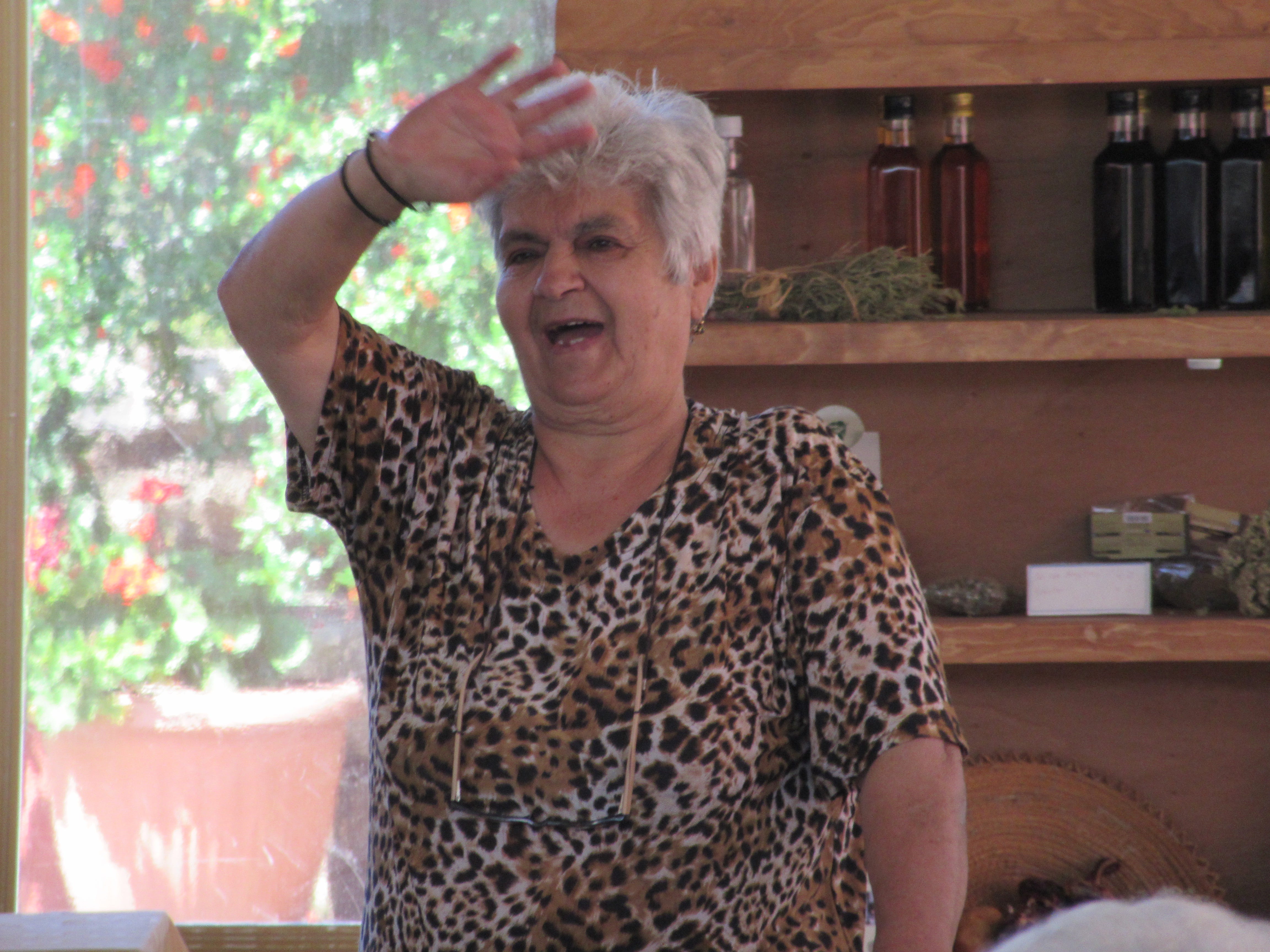
The friendly atmosphere of the Greek islands is worth experiencing.
What a joy to look over your shoulders at these beautiful and historically rich islands without the discomfort of actually traveling there! Thanks.